


There’s a phrase we hear often, usually offered with a confused smile and a non-chalant shrug.
“But it’s still running fine.”
And that may be true — until the day it isn’t.
Luxury timepieces are marvels of micro-mechanical engineering. Unlike digital devices that either work or don’t, a mechanical or quartz watch can mask early signs of wear beneath its ticking rhythm. Just because it’s telling time doesn’t mean it’s telling the whole truth.
The Slow Fade Within
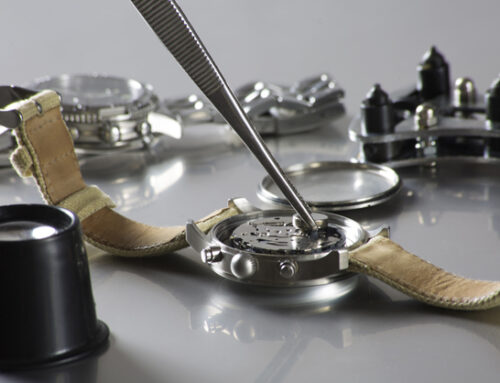
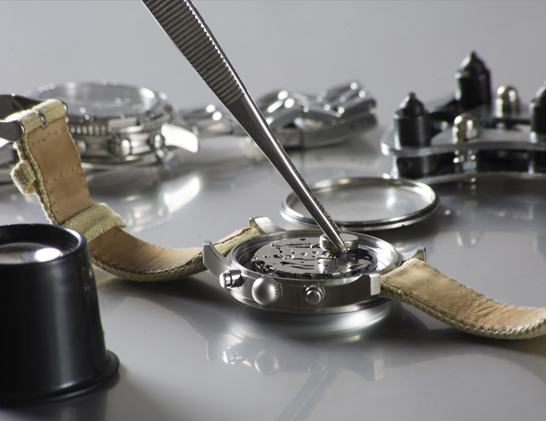
Mechanical watches, particularly automatic and manual-wind models, rely on finely tuned components: gears, levers, jewels, and escapements all working in harmony. These elements are lubricated with oils that, over time, evaporate, congeal, or break down — even in watches that are rarely worn. Without lubrication, friction builds. Friction leads to wear. And wear, left unchecked, leads to irreversible damage.
By the time a watch shows symptoms — running fast, slowing down, stopping unexpectedly — it may already need more than a simple adjustment. As the Swiss horologist Philippe Dufour once said, “The beauty of the movement lies not just in its function, but in how well it’s maintained.”
Routine servicing prevents deterioration before it begins.
Quartz Isn’t Exempt
Quartz watches are often misunderstood as “maintenance-free,” but this too is a myth. While they require less mechanical upkeep, the battery inside must be replaced at proper intervals — usually every 1 to 2 years. A battery left too long can leak acid, corroding circuits and damaging the movement beyond repair.
Furthermore, seals and gaskets in all watches, quartz or mechanical, degrade with time — compromising water resistance and allowing dust and moisture to enter. Your watch may appear pristine, yet silently suffer inside.
Water Resistance: Not a Lifetime Guarantee
Another misconception? That a water-resistant watch stays that way forever.
It doesn’t.
A diver’s watch may have been tested to 300 meters at the time of purchase, but a weakened crown seal or case gasket can turn that rating into a false sense of security. One swim or a humid afternoon can be all it takes to fog up the crystal from the inside — a repairable issue, yes, but one that could’ve been avoided with regular water resistance testing.
Most seasoned watchmakers recommend annual testing for water resistance, and servicing every 3–5 years, depending on use, environment, and complexity.
Servicing Isn’t a Sales Pitch — It’s Stewardship
At The Watch Spa, we don’t believe in alarmism. We believe in informed care.
We’ve seen watches come in that “ran just fine” — until they didn’t. A simple service delayed became a costly overhaul. A beautiful vintage piece lost its original parts because corrosion had crept too far.
But we’ve also seen the opposite: watches brought in proactively, preserved with care, and handed down to the next generation looking and ticking like the day they were first worn.
This isn’t about perfection. It’s about preservation.
Preservation of timekeeping. Preservation of value. Preservation of sentiment.
A Subtle Discipline
Unlike the flash of a new watch purchase, servicing is quiet. It doesn’t come in a velvet box. It doesn’t feel urgent. But it is essential — and it’s what separates a watch that endures from one that simply exists.
So, if your watch is still running fine, that’s good news.
But perhaps the better question is — how long will it stay that way?
When in doubt, don’t wait for failure. Trust the care that keeps time going.


Leave A Comment