
Luxury timepieces deserve exceptional care. Whether you own a heritage Patek Philippe, a rugged Rolex Submariner, or a bold Audemars Piguet Royal Oak, your watch is a mechanical marvel — and an investment worth preserving.
Below are expert tips to help protect its performance, appearance, and longevity.
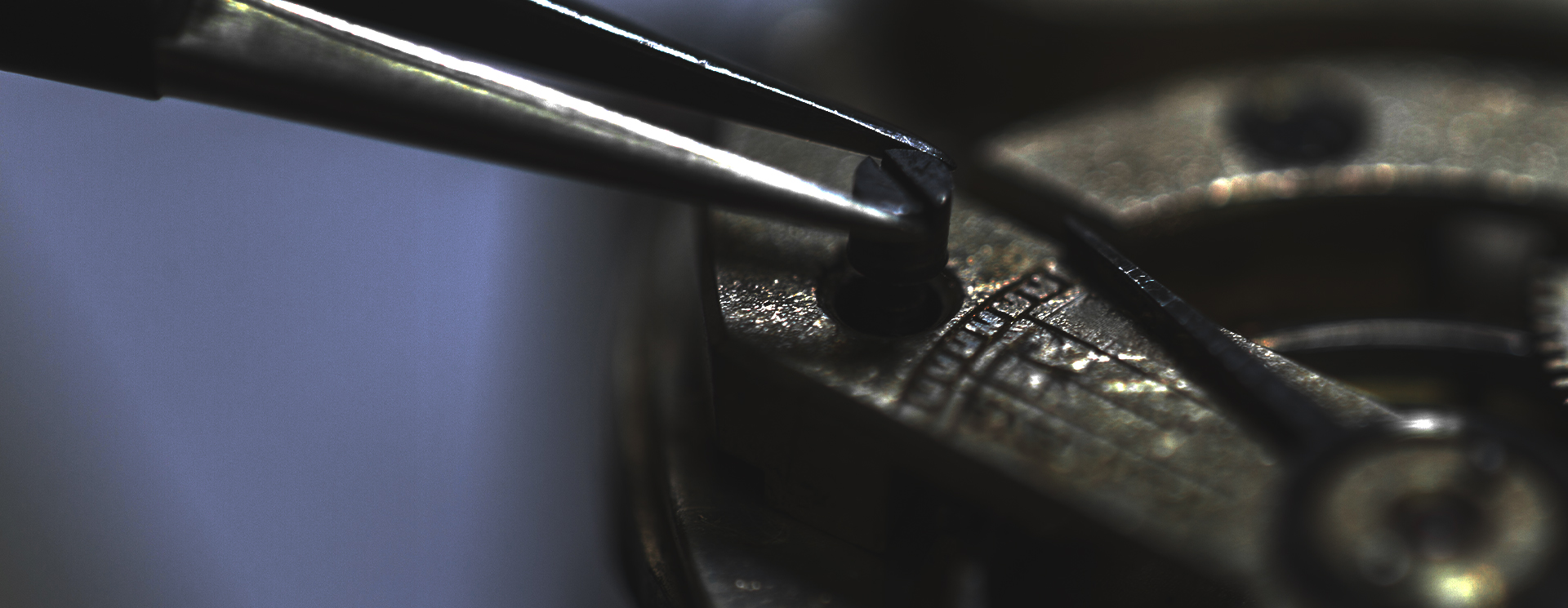
Service regularly—even if it’s running fine
Mechanical watches typically require servicing every 3–5 years, depending on usage and brand. Over time, lubricating oils dry out, increasing wear on internal components. Routine maintenance preserves accuracy and extends the lifespan of your timepiece.
Tip: Water-resistant watches should undergo annual pressure testing, especially if exposed to water or outdoor conditions frequently.
Avoid magnetic fields
Magnetic exposure from smartphones, speakers, laptops, and airport scanners can disrupt your watch’s precision. While some modern calibers are anti-magnetic, it’s best to keep mechanical watches away from strong magnetic sources.
Wipe down after wear
Gently clean your watch with a soft microfiber cloth to remove sweat, dust, and skin oils — especially around the caseback, clasp, and bracelet links.
Tip: Avoid harsh chemicals or alcohol-based cleaners, as these may degrade gaskets or damage delicate finishes.
Always secure the crown
After adjusting the time or date, be sure the crown is fully pushed in or screwed down. An open crown can expose the movement to dust or moisture — particularly important for diver-grade watches like Rolex, Panerai, and others.
Store properly when not in use
Place your watch in a padded box or soft-lined case to prevent scratches. If you don’t wear it daily, consider using a high-quality watch winder to keep automatic movements running smoothly.
Avoid setting the date at night
Never adjust the date between 9 PM and 3 AM — this is when the internal date-change mechanism is typically engaged. Forcing it during this window may damage the movement.
Leave polishing to professionals
Polishing luxury watches requires brand-specific tools and training to maintain original contours, bevels, and finishes. DIY methods or abrasive cloths can cause permanent damage.
Don’t assume water resistance is permanent
Even highly rated dive watches lose water resistance over time. Gaskets deteriorate and seals weaken. If you shower, swim, or wash hands with your watch on, schedule yearly water-resistance testing.
Travel with care
Always use a dedicated travel pouch or soft case when transporting your watch. Avoid tossing it loose into bags, where it can come into contact with hard surfaces — especially if it has a sapphire caseback or polished finish.
Consult experts when unsure
If your watch begins to run fast, slow, or stops altogether, avoid opening it or attempting a fix. Bring it to a trusted service center like The Watch Spa for a professional assessment. Early intervention prevents costly repairs later.

Leave A Comment